Exploring the Impact of Esports on the Gaming Industry
Gaming was once viewed mainly as a form of entertainment. People played video games at home, competed with friends, or completed story-based adventures on their own.
Today, gaming has become much more than a hobby.
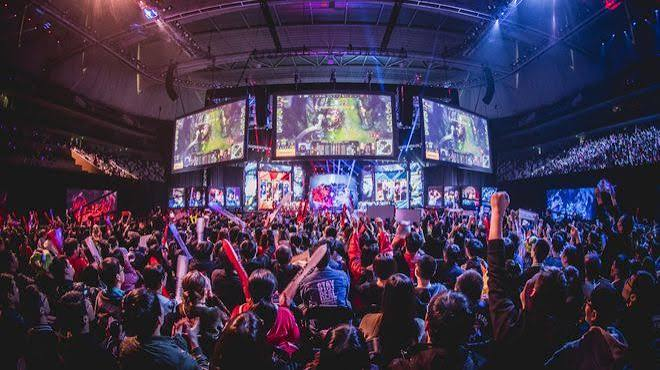
Professional players compete in large tournaments, millions of viewers watch matches online, major brands sponsor esports teams, and gaming events attract global audiences. Competitive gaming, commonly known as esports, has become one of the most influential parts of the modern gaming industry.
Esports has changed how games are developed, marketed, played, and watched. It has also created new career opportunities for professional players, coaches, commentators, content creators, event organizers, marketers, and game developers.
Popular competitive games such as Valorant, League of Legends, Counter-Strike, Dota 2, PUBG Mobile, Fortnite, and Call of Duty have helped esports reach players and viewers across different countries and age groups.
However, the growth of esports also brings challenges. High competition, player burnout, cheating, unstable team income, and poor tournament management can damage the industry when they are not handled properly.
This article explores the impact of esports on the gaming industry, its benefits, challenges, career opportunities, and possible future.

What Is Esports?
Esports refers to organized competitive video gaming.
Players compete individually or as part of a team in professional or semi-professional tournaments. These competitions may take place online or inside physical arenas filled with spectators.
Unlike casual gaming, esports usually includes:
– Professional teams and players
– Coaches and analysts
– Tournament organizers
– Sponsors and advertisers
– Live commentators
– Streaming platforms
– Prize money
– Official rules and competitive rankings
Esports competitions can range from small college tournaments to international events involving well-known teams and large audiences.
The basic idea is similar to traditional sports. Players practise regularly, study their opponents, create strategies, and compete under pressure. The main difference is that the competition happens inside a video game.
How Esports Has Changed the Gaming Industry
Esports has influenced almost every major part of the gaming business. It has changed game development, marketing, player behaviour, content creation, technology, and career opportunities.
Let us examine its most important effects.
1. Esports Has Increased the Popularity of Multiplayer Games
One of the biggest impacts of esports is the growing demand for competitive multiplayer games.
Many players no longer want only a single-player story. They also want:
– Ranked matches
– Competitive modes
– Team-based gameplay
– Global leaderboards
– Seasonal rewards
– Tournaments
– Regular updates
Games with strong competitive systems often keep players active for several years.
For example, a story-based game may be completed in a few weeks. A competitive game can remain popular much longer because every match is different. Players continue practising because they want to improve their rank, learn new strategies, or compete with stronger opponents.
This has encouraged game developers to focus more heavily on multiplayer experiences.
However, not every game should be turned into an esport. Developers sometimes add competitive modes simply because esports is popular. When the basic gameplay is not enjoyable or balanced, the competitive system usually fails.
A successful esports game must first be a good game.
2. Esports Has Changed How Games Are Developed
Modern competitive games are often designed to support both players and viewers.
Developers must consider several important factors:
Balanced Gameplay
No weapon, character, team, or strategy should remain unfairly powerful for too long. Developers regularly release updates to improve balance.
If one character becomes too strong, professional players may use that character in almost every match. This makes tournaments repetitive and frustrating.
Clear Visual Design
Viewers should be able to understand what is happening during a match. Important actions, abilities, team colours, maps, and scores must be easy to see.
Spectator Features
Competitive games often include spectator cameras, match replays, statistics, player perspectives, and tournament tools.
These features help broadcasters create a better viewing experience.
Regular Content Updates
New maps, characters, weapons, events, and game modes keep the community interested. However, developers must avoid changing the game too quickly before major tournaments.
Frequent updates can make a game exciting, but poorly timed updates can damage competitive fairness.
3. Esports Has Turned Gaming into Spectator Entertainment
Gaming is no longer limited to the person holding the controller, keyboard, or mobile phone. It has also become something people enjoy watching.
Fans follow professional teams, support favourite players, discuss match results, and watch live tournaments on streaming platforms.
This has created a new type of entertainment that combines:
– Gaming
– Live competition
– Commentary
– Storytelling
– Player personalities
– Community interaction
A viewer may watch an esports match for the same reasons someone watches cricket or football. The viewer wants excitement, competition, strategy, and memorable moments.
Good esports broadcasting makes a major difference. Commentators explain strategies, build excitement, and help beginners understand the game.
Without clear commentary and production, a complex match can become difficult to follow.
4. Streaming Platforms Have Grown Because of Esports
Esports and live streaming have supported each other’s growth.
Players can broadcast matches, share practice sessions, explain strategies, and communicate directly with viewers. Fans can watch tournaments from almost anywhere using a smartphone, computer, or smart television.
Streaming has also helped unknown players become popular.
A talented player may begin by sharing ranked matches online. Over time, that player can build an audience, attract team offers, receive sponsorships, or create a full-time content career.
This has changed how gaming talent is discovered.
In the past, players often needed personal connections or access to local competitions. Today, their gameplay can be seen by teams and audiences around the world.
However, strong gaming skills alone may not create a successful streaming career. Streamers also need consistency, communication skills, entertaining content, and community management.
5. Esports Has Created New Career Opportunities
Professional players are the most visible part of esports, but the industry includes many other roles.
Career opportunities include:
– Professional esports player
– Coach
– Team manager
– Performance analyst
– Tournament administrator
– Game observer
– Commentator or caster
– Host
– Video editor
– Graphic designer
– Social media manager
– Sponsorship manager
– Content creator
– Event producer
– Esports journalist
– Community manager
– Game developer
– Data analyst
This makes esports valuable even for people who are not skilled enough to become professional players.
For example, someone who understands gaming and digital marketing could manage social media campaigns for an esports team. A video editor could create match highlights. A graphic designer could produce posters, thumbnails, tournament graphics, and team branding.
The industry rewards a combination of gaming knowledge and professional skills.
6. Brands Are Investing in Gaming Audiences
Esports attracts highly engaged digital audiences. This has encouraged technology companies, clothing brands, food companies, mobile manufacturers, financial services, and other businesses to enter gaming sponsorships.
Brands may support esports through:
– Team sponsorships
– Tournament partnerships
– Branded gaming equipment
– Influencer campaigns
– In-game advertising
– Sponsored livestreams
– Merchandise collaborations
– Social media promotions
This creates more revenue for teams, organizers, players, and content creators.
However, sponsorship must feel relevant.
A gaming keyboard company sponsoring a competitive gaming tournament makes clear sense. A completely unrelated brand may struggle unless it creates a campaign that connects naturally with the gaming community.
Gaming audiences quickly notice forced advertising. Brands should understand the language, humour, interests, and values of the community before launching a campaign.
7. Esports Has Increased the Lifespan of Games
A strong esports scene can help a game remain relevant for many years.
Regular tournaments create repeated attention. Fans continue watching, players continue practising, and content creators continue making videos.
Major competitive events also produce:
– Match highlights
– Player interviews
– Strategy guides
– Reaction videos
– News coverage
– Social media discussions
– Community debates
All this content keeps the game visible.
However, esports cannot save a game with major technical or design problems. If players face constant bugs, unfair matchmaking, weak anti-cheat systems, or poor server performance, interest may fall regardless of tournament investment.
Long-term success requires both a strong game and a trustworthy competitive environment.
8. Esports Has Built Global Gaming Communities
Competitive gaming connects people from different locations, cultures, and languages.
Players can join teams, participate in online tournaments, discuss strategies, and support international organizations.
This creates a strong sense of community.
Local esports scenes are also important. College tournaments, gaming cafés, community events, and regional leagues help new players gain experience before entering larger competitions.
Esports communities can encourage:
– Teamwork
– Communication
– Strategic thinking
– Confidence
– Leadership
– Cross-cultural interaction
At the same time, gaming communities can become toxic when harassment, abuse, discrimination, or aggressive behaviour is ignored.
Game publishers and tournament organizers must create clear rules and moderation systems to protect players and viewers.
9. Mobile Esports Has Expanded Competitive Gaming
Mobile gaming has made esports more accessible.
A gaming computer or console can be expensive. Smartphones are more widely available, especially in growing gaming markets. This allows more people to participate in competitive gaming.
Mobile esports titles have created opportunities for players who may not have access to high-end gaming equipment.
They have also encouraged:
– Regional tournaments
– College competitions
– Local teams
– Mobile gaming creators
– Affordable esports events
– New sponsorship opportunities
However, mobile esports faces its own challenges, including device differences, internet quality, overheating, battery performance, and game restrictions in certain regions.
Tournament organizers must create fair technical standards so that one player does not gain an unfair advantage from better equipment.
10. Esports Has Encouraged Better Gaming Technology
Competitive players need speed, stability, and accuracy. This demand has influenced the development of gaming technology.
Esports has increased interest in:
– High-refresh-rate monitors
– Gaming smartphones
– Low-latency internet
– Mechanical keyboards
– Lightweight gaming mice
– Performance headsets
– Streaming equipment
– Cloud gaming
– Advanced match statistics
– Anti-cheat technology
Game developers also invest in better servers and matchmaking systems because competitive players notice even small delays.
A casual player may ignore a minor connection issue. A professional player competing in an important match cannot.
As esports becomes more competitive, technical performance becomes part of the overall gaming experience.
Challenges Created by the Growth of Esports
The impact of esports is not completely positive. The industry must solve several serious problems to achieve sustainable growth.
Player Burnout
Professional players often practise for long hours. Constant competition, travel, public criticism, and performance pressure can affect physical and mental well-being.
Teams should create healthier schedules that include rest, exercise, sleep, and professional support.
Cheating and Unfair Play
Cheating can destroy trust in a tournament or game. Publishers must invest in strong anti-cheat systems, clear investigation processes, and fair penalties.
Unstable Careers
A professional player’s career may be short. Game popularity can change, teams can close, and contracts may not always provide long-term security.
Players should develop additional skills, build personal brands, and plan for careers after competition.
Toxic Behaviour
Harassment and abusive communication can push new players away. Strong moderation and clear community rules are essential.
Poor Financial Management
Some teams spend heavily on players, gaming houses, travel, and marketing before building reliable revenue.
Popularity does not automatically create profit. Esports organizations need sustainable business models, not only followers.
Frequently Asked Questions
1. What is the biggest impact of esports on the gaming industry?
The biggest impact is the growth of competitive multiplayer gaming. Esports has encouraged developers to build games with ranked modes, regular updates, spectator tools, balanced gameplay, and long-term community support.
2. How does esports make money?
Esports earns revenue through sponsorships, advertising, media rights, ticket sales, merchandise, content creation, brand partnerships, game publisher support, and tournament-related income.
3. Is esports a good career option?
Esports can provide career opportunities, but becoming a professional player is highly competitive. Other careers such as coaching, marketing, event management, editing, game development, commentary, and design may offer more stable options.
4. How has streaming helped esports grow?
Streaming allows fans to watch tournaments and players from anywhere. It also helps talented players build audiences, attract sponsors, and become visible to professional teams.
5. What are the main challenges facing esports?
Major challenges include player burnout, cheating, toxic behaviour, unstable team finances, short professional careers, poor contracts, technical problems, and a lack of consistent regulations.